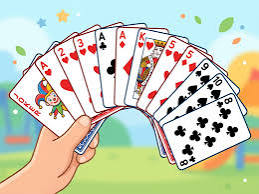
Rummy 51 Rules
Introduction
Rummy 51 Rules is a keyword used by people searching for instructions about a rummy-related game or product with the name Rummy 51. Understanding rules is essential before learning any card game because rules explain how cards are distributed, how turns operate and how a round is completed.
One important point is that the name Rummy 51 does not, by itself, confirm a standardised rulebook. Different providers may use similar names for different games. Therefore, this guide explains traditional rummy principles and shows what information readers should verify in the specific Rummy 51 instructions.
What Are Rummy Rules?
Rummy rules are instructions that explain how a card game is played. They normally cover the number of players, card distribution, valid combinations, drawing, discarding and scoring.
Traditional rummy is based on organising cards into sequences and sets. Players try to create valid combinations according to the requirements of their selected variation.
Understanding Sequences
A sequence is a group of consecutive cards belonging to the same suit.
For example:
- 3 of hearts
- 4 of hearts
- 5 of hearts
These cards form a consecutive sequence.
Some traditional variations require a pure sequence. A pure sequence is generally formed without using a joker as a substitute card.
Understanding Sets
A set is generally a group of cards with the same rank and different suits, subject to the particular variation’s requirements.
For example, three cards showing the number 9 from different suits may form a valid set.
The exact number of cards and restrictions should be checked in the selected game’s rulebook.
Understanding Jokers
Some rummy games include jokers. A joker can substitute for a missing card in certain combinations.
However, joker rules vary. Some versions distinguish between printed jokers and randomly selected wild jokers. Other versions may have different restrictions.
Players should read the specific rules rather than assuming that jokers work identically in every variation.
General Turn Structure
Many traditional rummy games follow a repeated turn structure.
Step 1: Card Distribution
Cards are distributed according to the selected game’s format.
Step 2: Drawing
A player selects a card from an available pile.
Step 3: Organising Cards
The player considers whether the new card helps complete a sequence or set.
Step 4: Discarding
A card is discarded according to the game’s instructions.
Step 5: Continuing the Round
Players take turns until the round reaches its ending condition.
These are general principles and are not a confirmed step-by-step rulebook for Rummy 51.
What Does the Number 51 Mean?
The number in a game or product name should not automatically be interpreted as a scoring target, card requirement or winning condition.
To understand the actual meaning of Rummy 51, readers should check the official instructions supplied by the relevant developer. Do not rely on assumptions made by unrelated websites.
Important Information to Check
Before using a Rummy 51-related application, verify:
- The official game name and developer.
- The number of cards distributed.
- The valid sequence and set requirements.
- The joker rules.
- The scoring method.
- The declaration conditions.
- The privacy policy and security features.
- Whether the activity is legally permitted.
Legal and Safety Considerations
India’s Promotion and Regulation of Online Gaming Act, 2025 prohibits online money games, regardless of whether they are based on skill, chance or a combination of both. The Rules, 2026 provide the regulatory framework.
Users should therefore avoid online formats involving prohibited financial stakes or monetary winnings. Permitted social gaming should be clearly distinguished from prohibited money gaming.
Frequently Asked Questions
Q1. What are Rummy 51 Rules?
The phrase refers to instructions associated with a product or game using the Rummy 51 name. Its exact rules must be verified with the relevant provider.
Q2. What is a pure sequence?
It is a consecutive group of cards from the same suit formed without a joker substitute, where required by the variation.
Q3. Does 51 always mean 51 points?
No. The number in the name alone does not establish a scoring rule.
Q4. Where can beginners learn rummy?
They can begin with traditional rummy tutorials and the official instructions for a permitted social version.
Conclusion
Rummy 51 Rules is an important educational keyword for people seeking game instructions. However, accurate information requires checking the specific provider’s rulebook. Understanding sequences, sets, jokers, turns and scoring can help beginners learn traditional rummy. Always check the applicable law and prioritise permitted recreational formats, privacy and responsible gaming.